What’s the Best Low-Maintenance Landscaping for Hampstead Homeowners?
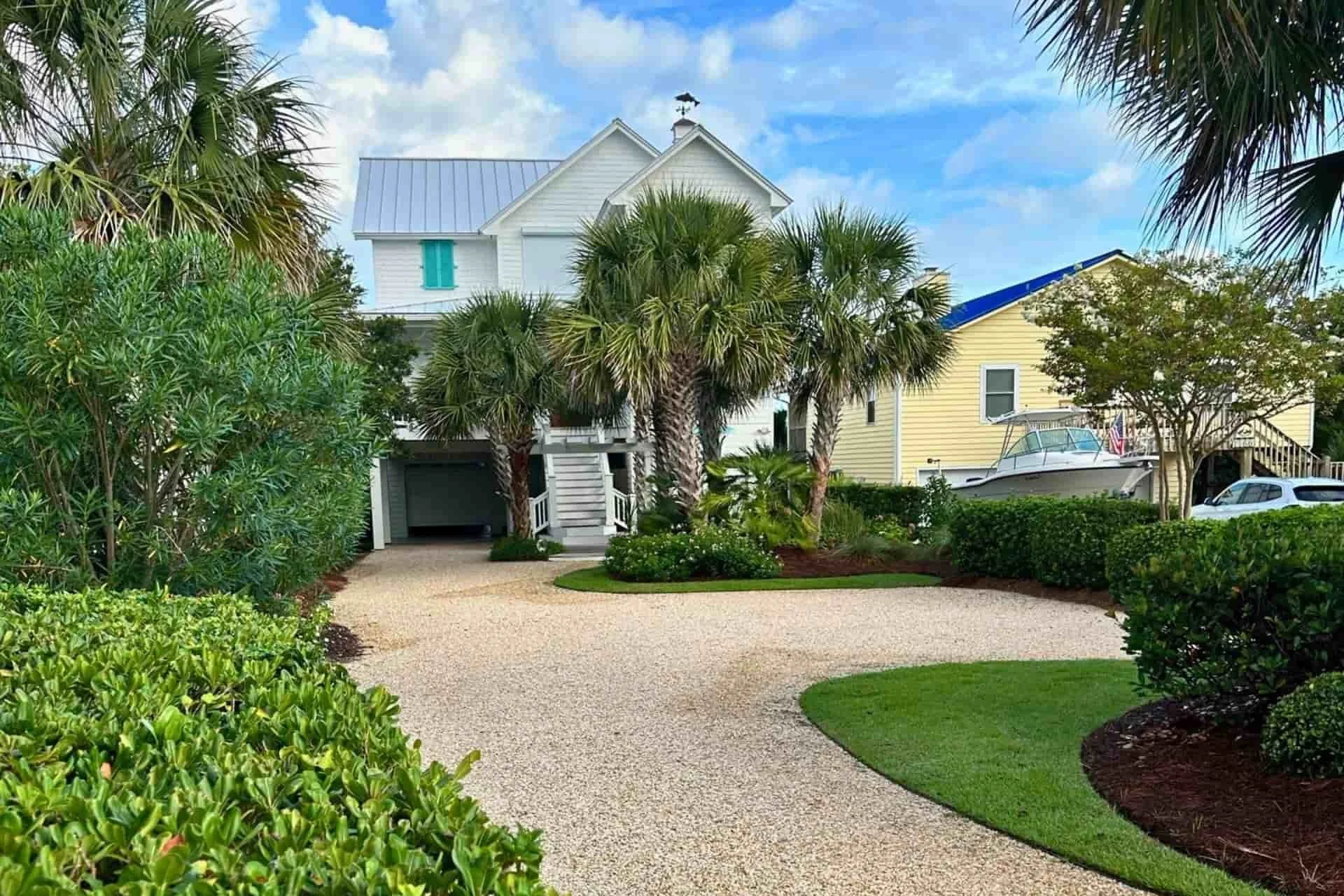
If you love the idea of a beautiful yard but not the idea of spending every weekend maintaining it, you're in good company, and the good news is you can have both. The best low-maintenance landscaping for Hampstead homes comes down to three things working together: native and well-adapted coastal plants, strategic hardscaping to shrink the amount of turf you have to care for, and smart irrigation that handles the watering for you. The goal is a yard that looks polished and intentional all year without asking much of you in return.
Here in coastal Carolina, where heat, humidity, salt air, and sandy soil are tough on plants that were never meant to grow here, low maintenance isn't really about convenience. It's about designing with the environment instead of fighting it. Get that right, and your outdoor space practically takes care of itself.
Why Low-Maintenance Landscaping Is Such a Priority Right Now
Hampstead has grown significantly over the past decade and continues to attract homeowners who want a beautiful property without being chained to yard work every weekend. Research consistently shows that professional landscaping and well-maintained gardens can boost property resale values by 10 to 20%, which means a smart low-maintenance design is also a sound financial decision, not just a lifestyle preference.
Industry professionals across the country are reporting a sharp rise in demand for naturalistic landscapes built around native and well-adapted plant species, driven by homeowners who want beautiful outdoor spaces that require less intervention over time. In a coastal community like Hampstead, that trend makes even more practical sense. Plants that are suited to the local soil, rainfall, and salt exposure thrive here. Plants that are not suited to those conditions require constant intervention just to survive, which is the opposite of what a low-maintenance landscape is supposed to deliver.
Start With the Right Plants for the Coastal Carolina Climate
Plant selection is the single most important decision in any low-maintenance landscape, and it is where most homeowners go wrong. Nursery centers are full of beautiful plants that simply are not suited to Hampstead's sandy, salt-influenced conditions. They look great in the pot and then slowly struggle in the ground, requiring extra watering, fertilizing, and attention just to stay alive.
The better approach is to build your plant palette around species that are genuinely happy here. Ornamental grasses like muhly grass and sea oats are exceptional in coastal Carolina landscapes. They are drought-tolerant, salt-tolerant, deer-resistant, and require virtually no maintenance beyond an annual cutback. Loropetalum, wax myrtle, and yaupon holly are workhorses in foundation plantings throughout the Hampstead area. Confederated jasmine handles sunny spots on fences and structures beautifully. And dwarf hollies like Carissa and Helleri stay compact with minimal pruning, which means no twice-yearly shearing to keep them in shape.
Groundcovers like liriope and Asian jasmine are also excellent choices for reducing mulch beds that need constant replenishment. Once established, they fill in reliably and suppress weeds without much help from you.
Using Hardscaping to Reduce the High-Maintenance Areas
One of the most effective strategies for a low-maintenance yard is simply reducing the amount of grass and planting beds that require ongoing upkeep. Hardscaping, including patios, walkways, gravel areas, and decorative stone, replaces high-maintenance lawn and bed space with surfaces that look great and require almost no attention.
A well-designed paver patio, for example, eliminates a section of turf that would otherwise need mowing, edging, and irrigation. A crushed shell or gravel pathway between beds reduces the mulch area that needs annual refreshing. Stone borders and Belgian block edging create clean lines that hold mulch in place and reduce the hand-edging work that makes yard maintenance feel endless.
Hampstead's coastal aesthetic lends itself beautifully to this approach. Natural stone, oyster shell gravel, and coastal-inspired hardscape materials feel right at home in the neighborhood and create a polished, intentional look that holds up without effort.
Smart Irrigation Is Non-Negotiable for a Low-Maintenance Yard
You can have the most drought-tolerant plant palette in Hampstead and still waste hours hand-watering during dry stretches if you don’t have a proper irrigation system. Smart irrigation, which uses weather sensors and programmable zones to water only when needed and only as much as each area requires, is one of the highest-return upgrades in any low-maintenance landscape design.
A well-designed system waters deeply and infrequently, which encourages deeper root growth and creates plants that are genuinely more drought-tolerant over time. It also eliminates the guesswork of manual watering, which tends to result in either overwatering, which promotes fungal issues in the humid coastal climate, or underwatering during hot July stretches when plants need consistent moisture to establish.
For homeowners who are starting with a fresh landscape installation, irrigation should be designed and installed at the same time as the planting. Retrofitting it afterward is always more disruptive and expensive than doing it right the first time.
Is Artificial Turf Worth Considering in the Right Spots?
Artificial turf has come a long way in both appearance and durability, and it is increasingly popular in coastal North Carolina landscapes for specific applications. Side yards that get minimal foot traffic but need to look tidy, shaded areas under trees where grass never establishes well, and small lawn panels framed by hardscape are all excellent candidates.
Modern synthetic turf holds up well in the Hampstead climate, does not require mowing or fertilizing, and stays green through dry spells without any irrigation. It isn’t the right answer for every situation, and it does require some upfront investment, but in the right locations, it eliminates some of the most time-consuming maintenance tasks in the yard.
Do Lighting and Mulch Choices Make a Big Difference?
Two often-overlooked components of a low-maintenance landscape are lighting and mulch selection. Landscape lighting that is properly designed and installed on a timer or photocell requires almost no attention once it is in place and dramatically elevates the appearance of the yard after dark. Solar lighting that seems convenient often underperforms and ends up needing frequent replacement. A hardwired system with quality fixtures lasts for years with minimal upkeep.
For mulch, the choice of material affects how often beds need refreshing. Premium pine bark mulch breaks down more slowly than standard shredded hardwood and tends to stay put better in the wind and rain events that are a regular part of summer in the Hampstead area. Some homeowners in coastal communities also use river rock or crushed shell as a permanent mulch alternative in certain beds, which eliminates annual replenishment almost entirely.
Let's Topsail Outdoor Living Design a Yard That Works for You
At Topsail Outdoor Living, we design and build custom landscapes throughout Hampstead, Surf City, and Topsail Beach. We know what thrives in this climate, what looks great year-round with minimal upkeep, and how to build an outdoor space that fits the way you actually want to live. If you’re ready to stop fighting your yard and start enjoying it, reach out to our team, and let's talk through what is possible for your property.
Frequently Asked Questions
-
The best low-maintenance landscaping for Hampstead combines native and well-adapted coastal plants, strategic hardscaping to reduce turf area, and smart irrigation that handles watering automatically. The goal is a yard that looks polished year-round without weekly attention. In the coastal Carolina climate, where heat, humidity, salt air, and sandy soil challenge plants not designed to grow here, low maintenance is about choosing a design that works with the environment rather than against it. Get that right, and the space largely takes care of itself.
-
Build your plant palette around species genuinely suited to the local conditions. Ornamental grasses like muhly grass and sea oats are excellent: drought-tolerant, salt-tolerant, deer-resistant, and needing only an annual cutback. Loropetalum, wax myrtle, and yaupon holly are reliable workhorses for foundation plantings, while confederate jasmine handles sunny fences and structures well. Dwarf hollies like Carissa and Helleri stay compact with minimal pruning, and groundcovers like liriope and Asian jasmine fill in to suppress weeds and reduce mulch beds that need replenishing.
-
Hardscaping reduces maintenance by replacing high-upkeep lawn and planting beds with surfaces that need almost no attention. A paver patio eliminates a section of turf that would otherwise require mowing, edging, and irrigation, and a crushed shell or gravel pathway reduces the mulch area that needs annual refreshing. Stone borders and Belgian block edging create clean lines that hold mulch in place and cut down on hand-edging. Coastal materials like natural stone and oyster shell gravel suit the Hampstead aesthetic while delivering a polished look that holds up effortlessly.
-
Even the most drought-tolerant plants can cost you hours of hand-watering without a proper system. Smart irrigation uses weather sensors and programmable zones to water only when and where needed, making it one of the highest-return upgrades in a low-maintenance design. It waters deeply and infrequently, which encourages deeper roots and more drought-tolerant plants over time, and it eliminates the guesswork that leads to overwatering, which promotes fungal issues in the humid climate, or underwatering during hot July stretches. It is best installed at the same time as the planting.
-
Artificial turf is worth considering for specific applications, though not every situation. It works well in side yards with minimal foot traffic, shaded areas under trees where grass never establishes, and small lawn panels framed by hardscape. Modern synthetic turf holds up well in the Hampstead climate, needs no mowing or fertilizing, and stays green through dry spells without irrigation. It requires some upfront investment, but in the right locations, it eliminates some of the most time-consuming maintenance tasks in the yard.