
How to Build a Weather-Resistant Coastal Pergola
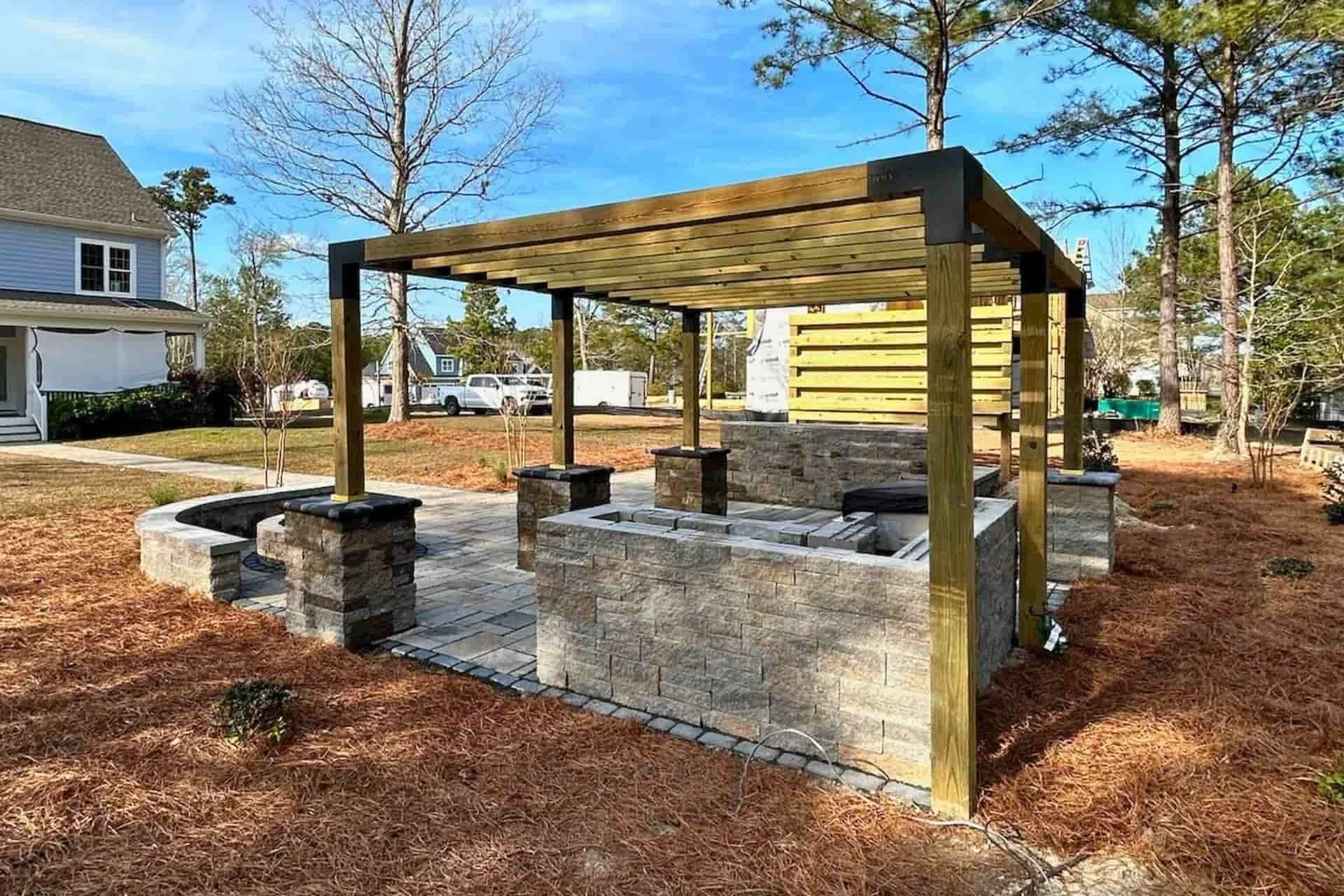
If you live near the coast in Hampstead, Surf City, or anywhere along Topsail Island, building a pergola requires a different approach than it would inland. Salt air, high humidity, intense sun, and storm exposure break down standard materials faster than most homeowners expect. The good news is that a well-designed, properly installed coastal pergola can handle all of it, and still be the best part of your backyard. The key is making the right material and design decisions from the start, not trying to fix problems after installation.
Coastal Pergola Design That Works With the Environment
Designing a pergola near the water starts with understanding what it is up against. Coastal climates bring constant moisture and salt exposure, which can break down materials faster than in inland areas. That means your pergola needs to be designed to resist corrosion, fading, and warping.
Orientation matters more than most people think. Positioning your pergola to maximize airflow can help reduce moisture buildup, while also keeping the space cooler during hot North Carolina summers. Shade coverage should also be intentional. Whether it is partial slats or added canopy features, the goal is to balance sunlight with protection.
Pergolas have become one of the most popular outdoor additions for a reason — they add function, shade, and style without closing off your space. According to Grand View Research, pergolas and patio structures accounted for over 60 percent of the U.S. outdoor living structures market in 2024. For coastal homeowners, they also solve a specific problem: creating a comfortable outdoor space that holds up to the environment year-round.
Choosing Materials for Weather-Resistant Pergolas
Material selection is where a lot of pergola projects either succeed or fail along the coast. Weather-resistant pergolas are built using materials that can handle constant exposure without constant repairs.
Pressure-treated wood is a common choice, but it needs proper sealing and ongoing maintenance to stand up to moisture and sun. Cedar is another option that naturally resists rot and insects, making it a strong contender for coastal environments.
For homeowners who want lower maintenance, composite and vinyl materials are becoming more popular. These materials resist moisture, do not splinter, and hold their color better over time. Aluminum pergolas are also gaining traction because they are lightweight, rust-resistant, and extremely durable in salty air.
The right material often comes down to how much maintenance you are willing to take on versus the look you are going for. A good coastal pergola design balances both.
The Importance of Proper Pergola Installation
Even the best materials will not perform well without proper installation. Custom pergola installation is critical when you are dealing with coastal conditions because everything needs to be anchored and secured correctly.
Wind resistance is a major factor. Pergolas in areas like Carolina Beach need to be built to withstand strong gusts and occasional storms. That means deeper footings, reinforced connections, and hardware that will not corrode over time.
Drainage is another piece that often gets overlooked. Water should never be allowed to pool around the base of your structure. Proper grading and spacing can prevent long-term damage and extend the life of your pergola.
A custom approach also allows you to design around your lifestyle. Whether you want an outdoor dining area, a shaded lounge space, or something that ties into an existing deck or patio, custom pergola installation ensures the final result actually fits how you use your space.
How to Blend Style With Durability in Weather-Resistant Pergolas
The reality is, you do not have to sacrifice style to get durability. Weather-resistant pergolas can still look clean, modern, or coastal, depending on your preference.
Simple design choices like beam size, spacing, and color can completely change the feel of the structure. Adding lighting or integrated seating can make the space more functional without overcomplicating the design.
In coastal areas, lighter colors tend to perform better over time because they reflect heat and show less fading. Finishes that are designed for UV protection can also help maintain the look of your pergola longer.
Build Your Pergola With Topsail Outdoor Living
Topsail Outdoor Living has been creating custom outdoor spaces across Surf City, Hampstead, Topsail Beach, and North Topsail Beach since 2012. From coastal pergola design to full custom pergola installation, their team understands what it takes to build structures that hold up in this environment while still looking great.
If you’re thinking about upgrading your outdoor space, now is the time to do it right. Reach out to Topsail Outdoor Living for a free consultation and start designing a pergola that is built for the coast and built for you.