

What's the Installation Process for Artificial Turf, Start to Finish?
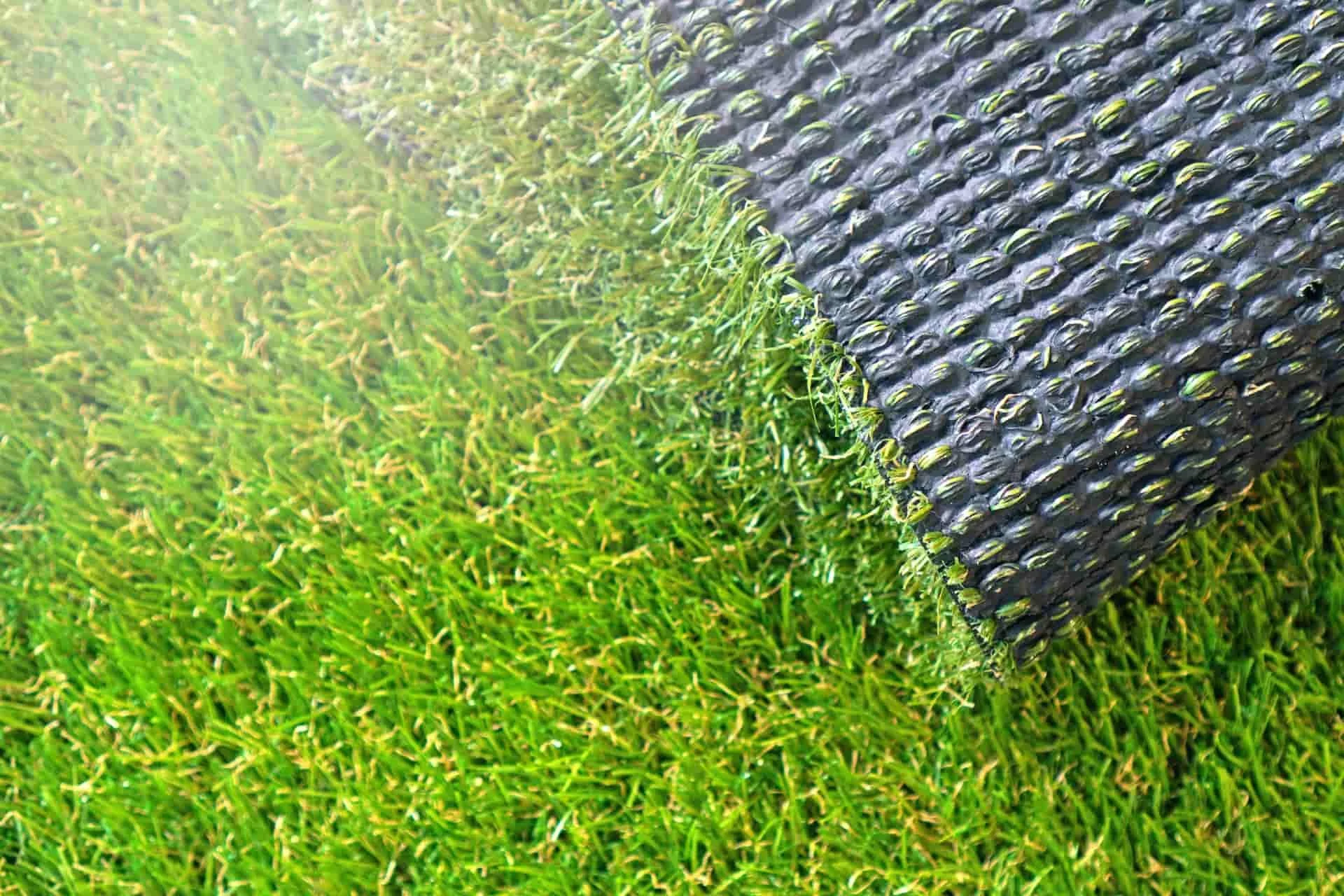
Most people picture artificial turf installation as something close to rolling out a big green carpet, and while the finished result can look that simple, what happens underneath is a lot more involved. The short answer: the process runs through five main stages: a site assessment, removing the old grass and soil, building a compacted base layer, installing and seaming the turf, and spreading infill before a final brush-out, and most residential jobs take anywhere from a few days to about a week. Turf is one piece of a much bigger outdoor space, and it tends to work best when it's planned alongside walkways, beds, and everything else already going on outside rather than dropped in on its own.
What Happens During the Initial Site Assessment?
The process starts with a walk-through to check drainage, existing grade, soil type, and how the space gets used. Pets, kids, foot traffic patterns, and sun exposure all factor into the plan, since they affect everything from the base material to the type of turf that makes sense for the space. This step also catches issues early, like a low spot that's been collecting water for years, that need addressing before installation rather than after.
How Is the Old Grass and Soil Removed?
Removal means excavating four to six inches of existing grass, roots, and topsoil across the entire area to reach stable ground. This isn't just about clearing space for the new surface; it's about getting down to ground that can support a proper base. Any roots or organic material left behind can decompose over time and cause the ground above it to settle unevenly, which is exactly the kind of problem that's much easier to prevent now than fix later.
What Goes Into Building the Base Layer?
A compacted layer of crushed stone or aggregate is what determines whether the turf drains properly and stays flat for years. The base is where a lot of the installation's long-term success gets decided. Getting the grade right matters too, since it determines whether water sheets off properly or pools where it shouldn't once the turf is in place.
Compaction equipment runs over the base multiple times to eliminate soft spots before moving forward. Skipping this step, or rushing it, is one of the most common reasons turf installations develop dips or uneven areas within the first year or two.
How Is the Artificial Turf Itself Installed and Secured?
Turf panels get rolled out, trimmed, and positioned so seams align as invisibly as possible. Seams are joined using seaming tape and adhesive rather than just butting edges together, which keeps the transition from being visible once the lawn is finished. The perimeter gets secured with landscape staples or nails driven into the base, spaced closely enough to keep edges from lifting over time.
What Is Infill and Why Does It Matter?
Infill is a granular material, often sand or a specialized cooling infill, spread into the turf fibers after installation to hold the blades upright and manage surface heat. This is also one of the few decisions in the process where homeowners have a real say after the fact. Along with turf color and how much shade the yard gets, infill choice is one of the biggest factors in how hot a turf lawn feels underfoot on a sunny afternoon.
Final Touches and Walkthrough
The last stage is brushing the fibers upright, checking seams and edges, and walking the finished space with the homeowner. It's a quick step, but it's the one that changes how the lawn looks day one versus after a week of settling. Freshly installed turf often looks slightly flatter or more matted right out of the box, and brushing it against the grain is what gives it that upright, natural texture people expect from turf rather than something that looks pressed down. The walkthrough itself is also the last real chance to catch anything before it's considered finished, so we walk the whole space with the homeowner rather than just handing it off, pointing out seam lines, edge transitions, and anything worth knowing about maintenance going forward.
Why This Process Matters More Than It Might Seem
Getting each step right pays off beyond appearance, mainly in eliminating irrigation demand. According to the EPA, outdoor water use accounts for about 30 percent of household water use nationally, and a properly installed artificial lawn eliminates that irrigation demand entirely. That said, turf isn't without trade-offs worth knowing about.
Conventional turf can run noticeably hotter than natural grass in direct summer sun. A 2024 peer-reviewed study published in Frontiers in Sustainable Cities measured conventional artificial turf reaching surface temperatures up to 67.7°C (about 154°F) during summer heat, compared to a peak of 46.8°C (about 116°F) for natural grass in the same conditions. That's exactly why infill selection and turf color matter during the planning stage, not as an afterthought.
Ready to See What Artificial Turf Looks Like on Your Property?
At Topsail Outdoor Living, we handle every step of this process, from the initial site walk to the final brush-out, for properties across Wilmington, Hampstead, Surf City, and Topsail Beach, so the finished lawn holds up the way it's supposed to for years. If you're weighing artificial turf for your property, contact us today for a free consultation.
Frequently Asked Questions
-
Most residential installations take anywhere from a few days to about a week, depending on the size of the area and complexity of the site. Larger properties or areas needing significant grading work can take longer.
-
It does. A compacted layer of crushed stone or aggregate underneath the turf is what allows proper drainage and prevents the surface from developing dips or soft spots over time. Skipping this step is one of the most common causes of installation problems.
-
It can, particularly in direct sun during the hottest part of the day. Choosing lighter-colored turf, a cooling infill, and planning shaded areas into the design can meaningfully reduce how hot the surface gets.
-
Yes, turf can be fitted around existing beds, pavers, and hardscape features during installation. Coordinating the turf layout with existing elements during the planning stage produces a cleaner, more finished-looking result than trying to work around them afterward.
-
Usually, yes, at least in the area getting turf. Since turf eliminates the need for irrigation, existing sprinkler heads and lines in that section are typically capped or removed during the base preparation stage rather than left buried and unused underneath the new surface.