

What Outdoor Kitchen Appliances Need the Most Winter Protection?
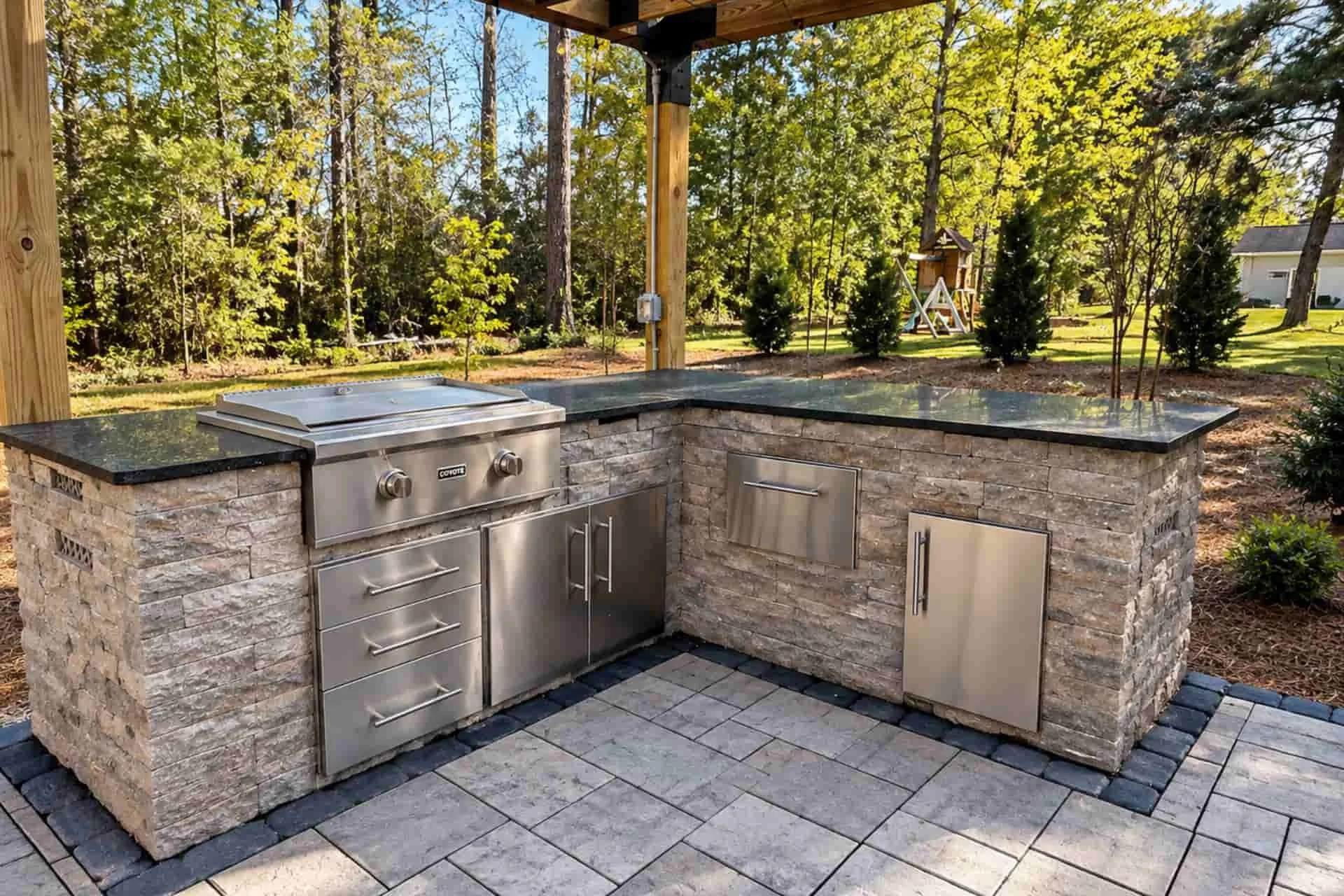
Coastal winters here don't get brutal, but they're nothing to ignore either. The short answer is this: refrigerators and ice makers need the most protection, since their water lines can freeze and crack, followed by gas lines and grills, which need cleaning and a weatherproof cover more than protection from the cold itself. A few hard freezes, some damp cold snaps, and salt air working on metal year-round add up over time if an outdoor kitchen gets ignored once summer entertaining winds down. Not every appliance out there needs the same level of attention, so it helps to know where to focus before the temperature drops.
Which Appliances Are Most Vulnerable to Cold Weather?
Anything with water lines or moving mechanical parts tops the list, which usually means refrigerators, ice makers, and sinks. Grills and burners handle cold better on their own, since they're mostly metal and don't have water sitting inside them, but they still need protection from moisture and debris. The appliances that combine electronics, water, and exposure to the elements are where winter problems tend to start.
How Should You Protect a Built-In Grill Over the Winter?
A quality weatherproof cover fitted specifically to the grill, paired with a deep clean beforehand, is the core of grill winterizing. A grill left uncovered all winter collects salt spray, leaves, and moisture that work their way into burners and ignition components. A generic tarp doesn't do the job as well as a cover built for the appliance. Before covering it up for the season, that deep clean removes grease buildup that would otherwise sit and potentially attract pests over the colder months.
Propane and natural gas lines connected to the grill are worth a quick inspection too, checking for any cracking or wear in the hose before everything gets buttoned up for winter.
What About Refrigerators and Ice Makers in an Outdoor Kitchen?
These are the appliances that worry us most heading into winter. If a unit isn't rated for winter operation, draining the water lines and disconnecting it for the season is the move; otherwise, a hard freeze can crack internal components and turn into an expensive repair by spring. Standard outdoor refrigerators aren't always rated for freezing temperatures, and ice makers in particular have water lines that can freeze, expand, and crack internal components if the unit sits unused and unprotected during a hard freeze.
Do Propane Tanks and Gas Lines Need Special Attention?
Propane tanks handle winter fine as long as they're stored upright, outdoors, and away from standing water or ice; the gas line is usually the bigger concern, not the tank itself. It's a common assumption that cold weather is hard on propane tanks specifically, but the tank's contents aren't really affected by a coastal freeze the way people expect. According to North Carolina's Department of Agriculture, propane tanks should be stored outdoors, upright, and away from heat sources, which happens to be the same setup that works fine through winter as long as tanks aren't sitting in standing water or ice.
Gas lines are where cold weather does its damage, since older or already-worn lines get more brittle as temperatures drop, the same way a garden hose left out all winter gets stiff and prone to cracking. A visual check for wear before the first freeze is worth the few minutes it takes.
Covering Your Outdoor Kitchen the Right Way
A full outdoor kitchen cover, or individual appliance covers if a full structure isn't in place, makes the biggest single difference in how everything holds up over winter. The goal is keeping moisture, salt air, and debris away from electronics and metal surfaces without trapping condensation underneath.
It's a bit counterintuitive, but a cover that seals too tightly can do more harm than no cover at all. We've seen clients grab the thickest, most watertight tarp they can find, assuming more coverage means more protection, when what actually matters is airflow underneath. A properly fitted, breathable cover lets the kitchen "breathe" while still keeping rain and salt spray off, which is the balance a generic tarp can't strike.
When Winter Arrives Here
Coastal North Carolina's freeze window runs roughly from mid-November to mid-March, which is the exact stretch when an unprotected outdoor kitchen is most at risk. According to the National Weather Service, Wilmington's average first fall freeze lands around November 17, with the last spring freeze typically wrapping up by mid-March.
That's a longer window than a lot of coastal homeowners expect. It's easy to assume that because winters here are mild, an outdoor kitchen doesn't need serious attention until a hard freeze is in the forecast, but by November 17, on average, that first freeze has often already happened. Getting appliances covered, water lines drained, and gas lines checked before mid-November, rather than reacting to a cold snap warning, is what keeps that four-month window from catching anyone off guard.
Ready to Get Your Outdoor Kitchen Set for the Season?
At Topsail Outdoor Living, we design and build outdoor kitchens meant to hold up to everything the coast throws at them, and we're happy to walk clients through the right winter care for their specific setup. If your outdoor kitchen needs a plan before the cold hits, contact us today for a free consultation.
Frequently Asked Questions
-
Check the manufacturer's spec sheet for a minimum operating temperature. If winter lows here will dip below that number, unplug and drain the unit rather than risk it.
-
Yes, but keep tanks off bare ground, ideally on a small paver or stand, since prolonged contact with wet ground can speed up rust on the tank's base and valve.
-
A quick check after any major storm or hard freeze is a good habit, mostly to confirm the cover hasn't shifted or let moisture in. Beyond that, a full inspection at the start and end of winter usually catches anything that needs attention.
-
Salt air is tougher on stainless steel than cold temperatures are, so regular cleaning and a protective cover matter more here than they might further inland. A light coat of stainless steel polish before covering appliances for the season adds an extra layer of protection against salt exposure.