

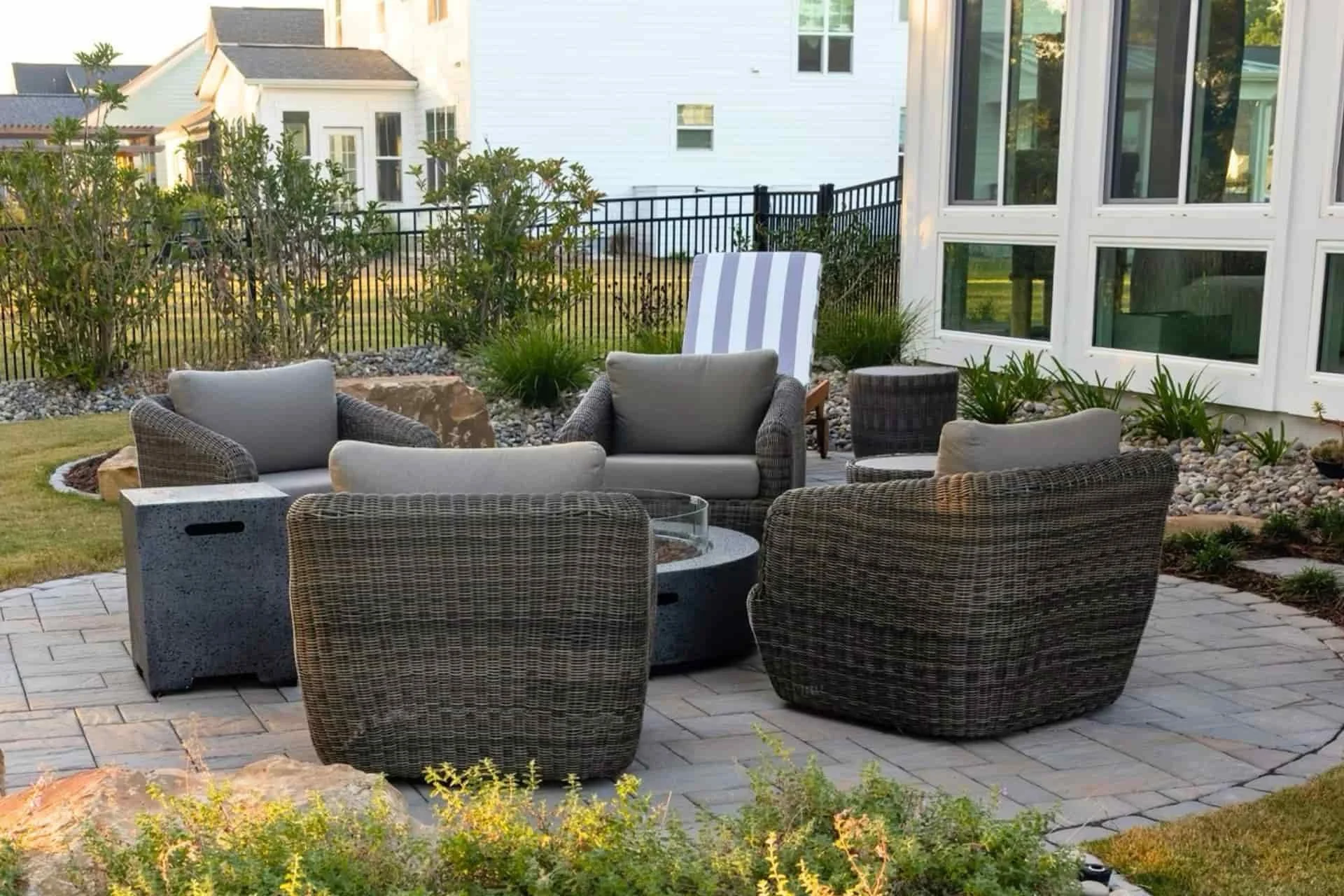
There's a reason so many of us love winter here on Topsail Island: we get to keep using our patios and decks long after homeowners up north have packed it in for the season. That same mild weather, though, has a way of lulling people into skipping the furniture care they'd never skip somewhere with a real winter. The short answer is that even our gentle coastal winters bring enough rain, humidity, and the occasional hard freeze to damage furniture that's left uncovered, so a little seasonal prep goes a long way toward keeping everything looking good come spring.
Why "Mild" Doesn't Mean "No Risk"
It's easy to assume that a place known for December cookouts doesn't need winter furniture prep. The reality is a little more nuanced. Wilmington and the surrounding coast average close to 40 nights a year at or below freezing, according to the National Weather Service, even though those cold snaps rarely last long.
Add in our region's steady winter rainfall and consistently high humidity, and you've got conditions that are tough on furniture in a quieter, slower way than a harsh northern winter, just as capable of causing damage over a season. The difference is that a freeze-thaw cycle up north announces itself with cracked concrete and split wood, while our version works more gradually through moisture that never fully dries out between rain events.
What Happens to Cushions and Fabric Left Outside?
Fabric cushions are usually the first casualty of a coastal winter. Even short rain events soak into foam and fabric, and once that moisture is trapped, mold and mildew don't need much time to take hold. The EPA notes that mold can begin growing on wet materials within just 24 to 48 hours, which means a cushion left out through even one soggy weekend is already at risk. Bringing cushions inside or storing them in a sealed deck box keeps that moisture problem from ever starting.
How Should Wood Furniture Be Protected?
Teak and other hardwoods handle weather better than most materials, but they're not maintenance-free. A quality teak oil or sealant applied before winter helps the wood resist moisture absorption, and it's worth reapplying in early spring once the season's rain has passed. Softer woods need more attention. They're prone to swelling and contracting as humidity and temperature shift back and forth through the winter, and that repeated movement is what eventually leads to cracking and loose joints.
Covering wood pieces, or better yet, storing them somewhere dry like a garage or shed, extends their life significantly. If storage space is tight, even a well-fitted furniture cover paired with a raised base to keep legs off wet ground makes a real difference.
What About Metal and Wicker Pieces?
Aluminum furniture holds up beautifully through our winters since it naturally resists rust, but wrought iron is a different story. Any exposed metal, chipped paint, or scratched coating gives moisture a place to start corrosion, so a fresh coat of rust-resistant paint before winter is worth the effort if you're seeing wear. Wicker and rattan, whether natural or synthetic, need their own kind of attention. Natural wicker absorbs moisture and can warp or mildew if left in wet conditions for too long, while synthetic wicker holds up better but still benefits from a cover to protect the frame underneath.
Does It Matter Whether Furniture Is Covered or Stored?
Both approaches work, but they solve slightly different problems. A well-fitted, breathable cover protects furniture from rain and UV exposure while it stays in place, which is convenient if you plan to use your outdoor space on warmer winter days. Full storage in a garage, shed, or enclosed structure offers the most complete protection, especially for cushions and anything prone to rust or rot. If your property doesn't have easy storage access, a covered structure like a pergola with a retractable canopy can bridge that gap, keeping furniture shielded without needing to move it every time the weather shifts.
A Few Other Things Worth Doing Before Winter
Clean furniture thoroughly before covering or storing it. Dirt and pollen left on surfaces can trap moisture underneath a cover and make mildew more likely, not less. It's also worth checking hardware, since loose screws or bolts left through a season of temperature swings tend to work themselves looser still. A five-minute tightening pass in the fall saves you from wobbly chairs in the spring.
Furniture that's protected through the colder months simply lasts longer, and that adds up. Replacing a full patio set every few years costs far more than a season of covers, cushion storage, and the occasional coat of sealant, and it means your outdoor space is ready to go the moment the weather warms up again.
Build a Space That Holds Up With Topsail Outdoor Living
At Topsail Outdoor Living, we design outdoor spaces that make furniture protection easier in the first place, from covered pergolas and shaded seating areas to built-in storage that keeps cushions dry without cluttering your patio. Schedule a free consultation with our team, and we'll help you plan an outdoor living space built for every season on Topsail Island.
Frequently Asked Questions
-
Yes. Even mild coastal winters bring enough rain, humidity, and occasional freezing nights to damage uncovered furniture over time, especially cushions and softer woods.
-
A covered porch helps with direct rain, but it won't stop humidity from soaking into fabric over weeks of exposure. Storing cushions indoors or in a sealed container is still the safer bet.
-
Most teak furniture benefits from resealing once or twice a year, typically before winter and again in early spring once the rainy season eases up.
-
Generally, yes. Synthetic wicker resists moisture and mildew far better than natural wicker, which can absorb water and warp if left exposed for extended periods.
-
Keep an eye out for chipped paint or scratched coatings, since that's where rust typically starts. Touch up any exposed spots before winter and consider a breathable cover for extra protection.
-
Where possible, yes. Raising furniture off wet ground, even with simple risers or a dry patio surface, reduces moisture contact and helps prevent rot or corrosion at the base.