Can Backyard Artificial Turf Handle Coastal Storms?
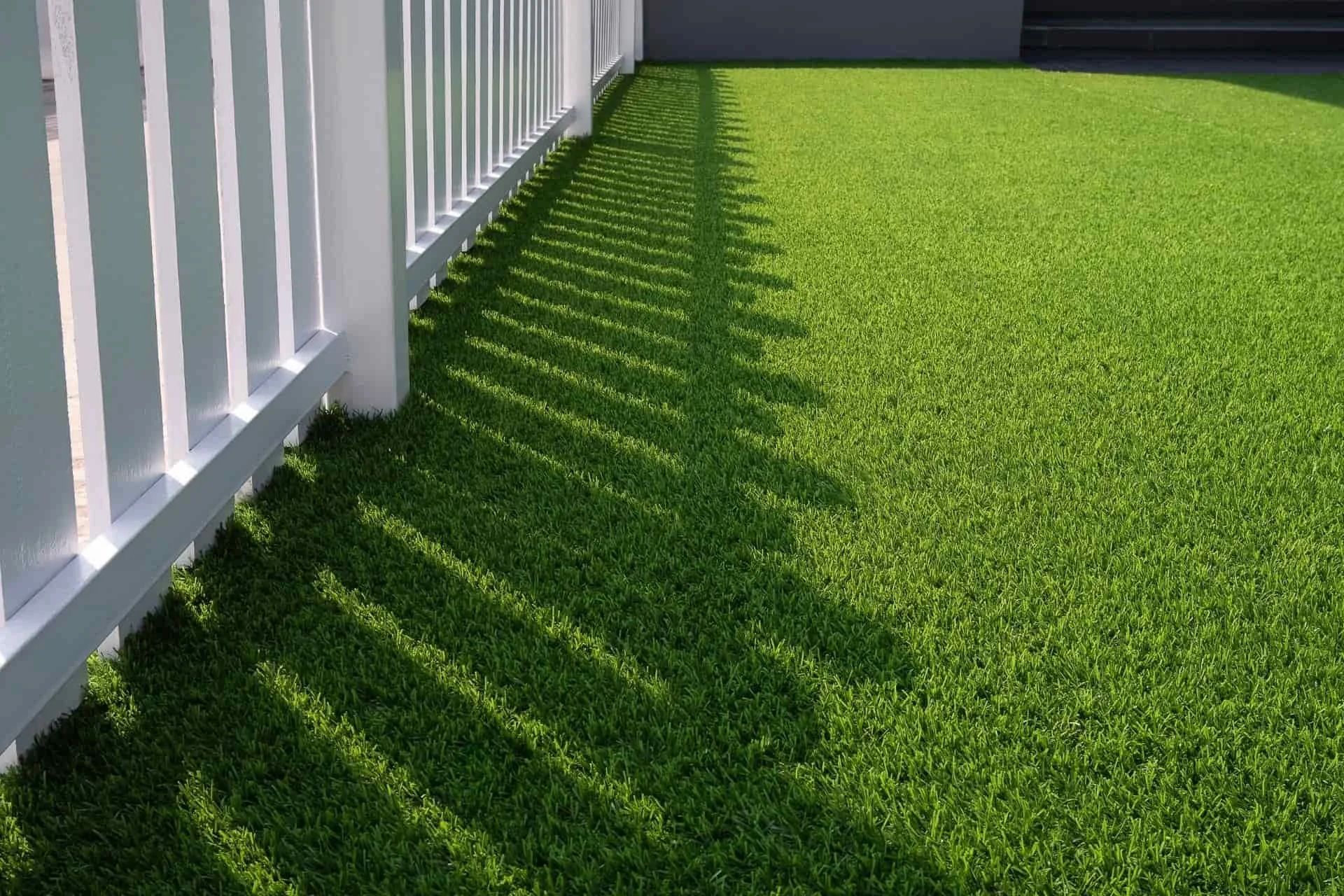
Living on Topsail Island or anywhere along the North Carolina coast means you know the weather. One afternoon, it's sunshine and sea breeze, and the next, you're watching a summer squall roll in off the Atlantic. If you've been thinking about installing backyard artificial turf, you've probably wondered how it holds up when the skies open up. It's a fair question, and the short answer is: really well. Here's what you need to know before you invest.
Why Backyard Artificial Turf Drains Better Than You'd Expect
One of the biggest misconceptions about synthetic grass is that rain just sits on top of it. In reality, modern artificial turf is engineered with drainage in mind from the ground up. The turf blades are attached to a perforated or fully permeable backing that allows water to pass straight through to the base layer below rather than pooling on the surface.
That base layer, typically made of compacted crushed granite or gravel, is where the real work happens. Water moves through it quickly and disperses into the soil beneath. When installed correctly with a gentle slope of one to two percent, the entire system moves water away from your yard efficiently. According to CCGrass, a leading global synthetic turf manufacturer, notes that properly engineered artificial turf keeps surfaces dry and usable even in rain-heavy conditions where natural grass quickly becomes overwhelmed and muddy. For homeowners in Surf City and Topsail Beach, that kind of reliable performance after a coastal storm is a significant advantage.
Backyard Artificial Turf Stands Up to Coastal Storm Conditions
Coastal storms bring more than just rain. They bring wind, salt air, and sometimes hours of sustained heavy precipitation. Natural grass in these conditions can become waterlogged, develop bare patches, and take days to recover. Backyard artificial turf, by contrast, is built with UV-resistant and weather-resistant materials that won't break down from repeated exposure to the elements.
The synthetic fibers don't absorb water the way organic matter does, so there's no swelling, rotting, or prolonged saturation to worry about. Salt air, which can wreak havoc on many outdoor materials over time, has very little effect on high-quality synthetic turf. It's one of the reasons it's become an increasingly popular choice for coastal properties from Surf City down through Topsail Beach.
Why Installation Makes All the Difference
The turf product itself is only part of the equation. How it's installed determines how it performs when storms roll through. A properly prepared sub-base, correct grading, and thoughtful drainage planning are what separate a turf system that thrives through a nor'easter from one that ends up with standing water and headaches.
If the ground beneath your turf isn't properly excavated and compacted, or if the slope isn't right, water has nowhere to go. That's not a turf problem, that's an installation problem. It's exactly why working with a highly rated outdoor living company that understands coastal soil conditions and drainage patterns matters so much. The right team will assess your specific yard, account for existing drainage challenges, and build a system that's ready for whatever the Atlantic throws at it.
What to Do After the Storm Passes
One of the best things about backyard artificial turf is how little it asks of you after a storm passes. While your neighbors are waiting for their lawns to dry out and assessing the damage, you can usually have your yard back in shape in under an hour. Here is what to do:
Give it a quick rinse. A pass with the garden hose after a storm is a simple way to wash away any residue, pollen, or debris that settled into the turf during the storm. It takes five minutes and keeps your fibers looking fresh.
Check for debris. Wind has a way of depositing leaves, branches, and other material onto any outdoor surface. Walk the yard after a storm and remove anything that has settled into the turf. Most debris lifts out easily by hand or with a leaf blower.
Brush the fibers back up. Heavy rain and wind can flatten synthetic turf fibers over time. A light brushing with a stiff-bristled broom or a turf rake will restore the upright, natural appearance of the blades and keep your yard looking its best.
Let it drain and dry. If your turf was installed correctly, standing water should not be an issue. Give it a short window to finish draining, and you are good to go
That’s really all there is to it. Artificial turf is designed to bounce back quickly, and with minimal effort on your part, your yard will look just as good the morning after a storm as it did before one rolled in.
Ready for a Yard That Can Handle Anything?
At Topsail Outdoor Living, we've been designing and building custom outdoor spaces along Topsail Island and the surrounding coastal communities since 2012. We know this area, we know this weather, and we know what it takes to build beautiful outdoor living spaces that hold up year after year. From custom landscape design and hardscaping to outdoor lighting, pergolas, and yes, artificial turf installation, we handle every detail with precision and care.
Whether you're in Surf City, Topsail Beach, Hampstead, or North Topsail Beach, we'd love to help you create an outdoor space that's as beautiful after a storm as it is on a sunny afternoon. Reach out to us today to schedule your free consultation, and let's talk about what's possible for your backyard.